FinTech in Europe 2025: Shaping financial services
FinTech in Europe consists of approx. 10,000 fintechs. Largest markets are the UK, France and Germany, with the Netherlands, Ireland and Sweden notable. Cyprus, Estonia, Lithuania and Malta are small but high value.
Payment, Digital Lending and Neobanking are key sectors. WealthTech, Insurance and RegTech grow fast. Crypto Assets remain small in nominal terms.
The EU has nominally harmonised FinTech licensing to lower barriers to entry, stimulate innovation, and competition however implementation is not even, and in the case of MiCAR, delayed.
Here are the key centres for FinTech in Europe 2025:

Fintech in Bulgaria
Fintechs: 200+
Strengths: Payments
Bulgaria has seen growth due to its skilled workforce and competitive cost base. Payments is a key segment, hosting domestic and global players.

Fintech in Cyprus
Fintechs: 300+
Strengths: Crypto Assets, Markets, Payments
Low taxes and light touch financial services regulation have fuelled growth. Cyprus has appetite for higher risk business and uses this experience to grow in payments, markets and crypto.

Fintech in Estonia
Fintechs: 200
Strengths: Blockchain, Core Banking, Digital Lending, RegTech
With a digital mindset and decades of experience with electronic identity, digital contracts, and decentralised data, Estonia is a vibrant location for FinTech in Europe. Unicorns Wise, Veriff and ID.me have roots in Estonia, and 99% of financial services transactions occur online.

Fintech in France
Fintechs: 1,100+
Strengths: BaaS, Crowdfunding, Digital Lending, Enterprise, Insurtech, Neobanking, WealthTech
France is second-largest market for FinTech in Europe by number of firms and fundraising. Start-ups and global players have driven rapid, export-led growth over the past decade, creating 14 unicorns. Strong ecosystem, universities, and government support position France for growth.

Fintech in Germany
Fintechs: 1,000+
Strengths: Capital Markets, Deposits, Digital Lending, Enterprise, Insurtech, Neobanking, WealthTech
Germany is the largest fintech market by revenue and has grown 200% in 10yrs, driven by a large domestic market and strong funding. Home to N26, Raisin and more, Germany has strengths in capital markets and enterprise technologies, creating quality at scale.
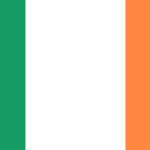
Fintech in Ireland
Fintechs: 150+
Strengths: Capital Markets, Crypto Assets, Digital Lending, Enterprise, Markets, Payments, RegTech
Ireland is a quality location due to its business environment, large financial services sector, and export-oriented mindset. The government has aided growth with early-stage funding and regulatory sandboxes. The number of US fintechs selecting Ireland as their base for FinTech in Europe is notable.
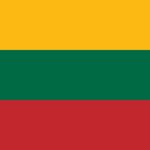
Fintech in Lithuania
Fintechs: 250
Strengths: BaaS, Crowdfunding, Neobanking, Payments
As an established hub for bank IT, Lithuania was quick to identify the opportunities in FinTech. Streamlined licensing and Centrolink infrastructure developed local champions and attracted foreign investors like Revolut and Western Union. The industry continues to grow FTEs and value added, aided by a strong business environment and IT skills.
FinTech in Latvia
FinTechs: 200
Strengths: Digital Lending, Payments, Open Banking, Data
Latvia has long-standing strengths in lending, domestically and globally. Over time the industry has diversified, with Mintos an example. Latvia’s government is implementing a new approach which will streamline approvals, and lead to new payment, eMoney and ‘bank light’ licenses being granted.

Fintech in Malta
Fintechs: 100+
Strengths: Crypto Assets, Payments
Light-touch regulation positions Malta as a location for higher-risk business, in particular payments and crypto assets.

Fintech in Netherlands
Fintechs: 850+
Strengths: Capital Markets, Core Banking, Digital Lending, Neobanking, Payments, RegTech, WealthTech
The secret superpower of Fintech in Europe, commercialism and digital infrastructure has created numerous valuable FinTechs, including Bunq and Mambu. Strong IT skills and quality regulation make the Netherlands well-placed to lead innovation.

Fintech in Poland
Fintechs: 400+
Strengths: Digital Lending, Enterprise, Insurtech, Neobanking, Payments, RegTech
Poland is the IT hub for Central Europe due to competitive prices and strong math and IT skills. Poland was early to digital financial services, including online lending and mobile payments, for a domestic market of 38m. Traditional strengths are being augmented by growth in Crypto Assets and WealthTech.

Fintech in Spain
Fintechs: 400+
Strengths: Digital Lending, Neobanking, Payments, RegTech, WealthTech
FinTech in Spain has grown steadily and further growth can be expected given Spain adopts digital financial services, offers a competitive price point, and leverages language skills into LatAm.

Fintech in Sweden
Fintechs: 800+
Strengths: Digital Lending, Enterprise, InsurTech, Neobanking, Payments, RegTech, WealthTech
Sweden is the IT hub for Northern Europe, highly rated for its infrastructure, engineering, and innovation. Unicorns such as Klarna, Tink and Zettle emerged in Sweden before going global. With 99% of all transactions digital, strong funding, and skills in AI, Sweden is well positioned .

Fintech in Switzerland
Fintechs: 400+
Strengths: Core Banking, Blockchain, Crypto Assets, Deposits, InsurTech, Markets, Payments, WealthTech
A global centre of banking and asset management, Switzerland has a vibrant FinTech sector with access to clients and funding. Strengths in Core Banking, Markets and WealthTech are augmented by Digital Assets and Blockchain infrastructure.

Fintech in Ukraine
Fintechs: 400+
Strengths: Custom software, Crypto Assets, Digital Lending, Enterprise, Neobanking, Payments.
Ukraine has a large and resilient IT industry serving global markets. With strong engineering skills, affordability, and unique capability in AI and Cyber, Ukraine will emerge as a centre for Fintech in Europe.

Fintechs in UK
Fintechs: 3,500+
Key Sectors: BaaS, Core Banking, Crypto Assets, Digital Lending, InsurTech, Markets, Neobanking, Payments, WealthTech
The UK is the largest market for FinTech in Europe, benefiting from large financial services and private equity industries. With 50 unicorns and dominant positions in numerous segments, the UK will remain at the forefront of innovation and regulatory developments.
FinTech in Europe Summary
The ECB and other stakeholders recognise the importance of FinTech in shaping Europe’s financial services and business landscape. New regulation is in progress in payments and other areas that will enable innovation and new services. FinTechs can expect increased regulatory standards but those with strategy, funding, and infrastructure can unlock growth.
Whether you are a FinTech operator, buyer, or investor, contact us for more information about FinTech in Europe.


