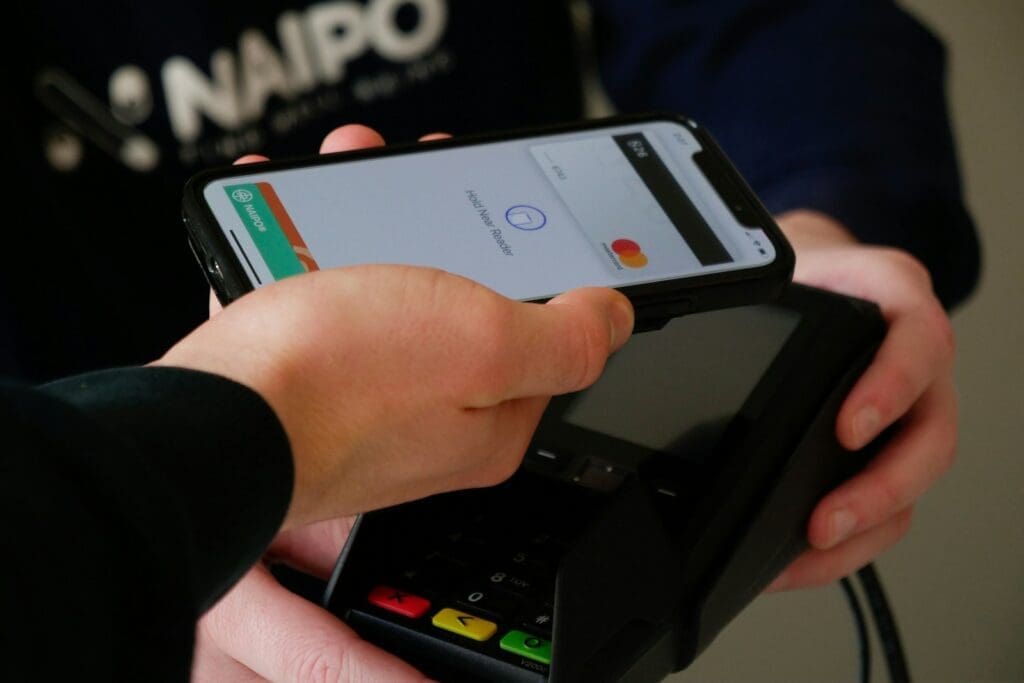
Payment tokenization explained Tokenization is a technique that replaces sensitive card data, such as name and primary account number (PAN), with a unique random code. Tokens are ideal for storing sensitive data against financial crime such as unauthorised access (internal fraud) and data breaches (external hack). Tokens increase sales by reducing the need to re-key data, […]
What is Electronic Money?
Definition of Electronic Money? To be classified as e-Money, certain characteristics must be fulfilled: What are examples of Electronic Money? Why does Electronic Money Matter? For corporates, e-Money is an alternative to traditional bank accounts and payment rails. e-Money is flexible and able to cover numerous use cases, currencies, and enable real-time transactions. Often cheaper […]
What are interchange fees and why do they matter?
What are interchange fees? Interchange fees are the costs applied to a merchant when a customer makes a credit or debit card payment. The fee is collected by the payment acquirer and then apportioned to the card issuer, card network and acquirer. Example of interchange fees? For an EUR 100 card payment the unit economics […]
Trends in global Financial Crime 2024
How big is global money laundering? According to NASDAQ, USD 3.1tn in illicit flows and money laundering activity flowed through the global financial system in 2023. The most prevalent money laundering crimes were USD 783bn in drug trafficking, USD 347bn in human trafficking and USD 12bn in terrorist financing. Money laundering estimates are the money flowing […]